
Washed vs Unwashed Chicken Eggs: What Is the Difference and Which Is Better
Washed vs Unwashed Chicken Eggs: What Is the Difference and Which Is Better
If you buy eggs from both grocery stores and local farms, you may notice a big difference right away.
Grocery store eggs are clean, shiny, and refrigerated.
Farm fresh eggs may have a little dirt or feathers on them and are often sitting out at room temperature.
This difference causes a lot of confusion and even concern for people who are new to buying eggs directly from farms.
The truth is, both types of eggs can be safe. The difference comes down to how the eggs are handled after they are laid.
What Makes an Egg Naturally Safe
When a hen lays an egg, it is covered in a thin, invisible protective layer called the bloom, also known as the cuticle.
The bloom:
Seals tiny pores in the shell
Blocks bacteria from entering
Helps the egg retain moisture
Allows the egg to stay fresh without refrigeration for a period of time
This natural coating is the key difference between washed and unwashed eggs.
What Are Unwashed Eggs

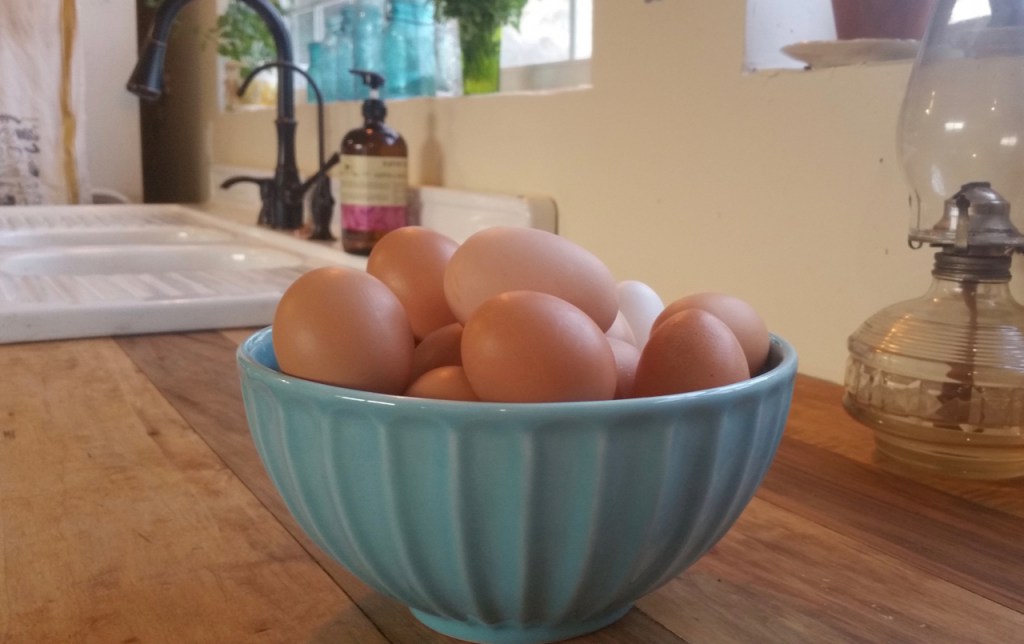
Unwashed eggs are eggs that have not been cleaned with water or chemicals after being laid.
They may:
Have a small amount of dirt or manure
Look less uniform
Feel slightly matte instead of shiny
Because the bloom is still intact, unwashed eggs are naturally protected.
Storage of unwashed eggs
Can be stored at room temperature for a short period
Last longer when refrigerated
Must stay dry to keep the bloom intact
Once an unwashed egg is washed, it must be refrigerated.
What Are Washed Eggs



Washed eggs are cleaned using warm water and sometimes a mild sanitizer.
In the United States, egg washing is required for eggs sold in grocery stores.
Washing:
Removes dirt and bacteria from the shell
Also removes the natural bloom
Leaves the shell more porous
Without the bloom, bacteria can enter the egg more easily, which is why washed eggs must be refrigerated.
Why Grocery Store Eggs Are Always Refrigerated
Once the bloom is removed, eggs rely on cold temperatures to slow bacterial growth.
This is why:
Grocery store eggs are washed
They are immediately refrigerated
They must stay refrigerated all the way to your home
If a washed egg warms up and cools back down repeatedly, condensation can form and increase the risk of bacteria entering the shell.
Why Farm Eggs Are Often Not Refrigerated


Farm eggs are usually unwashed unless visibly dirty.
Because the bloom is still present:
The shell is naturally sealed
Bacteria has a harder time entering
Eggs can be stored safely without immediate refrigeration
Many farms still recommend refrigeration to extend shelf life, especially in warmer climates, but it is not strictly required right away.
Color, Shell Thickness, and Nutrition Differences
Egg appearance varies more with farm eggs because they are less standardized.
Farm fresh eggs often have:
Thicker shells
Darker, more orange yolks
Wider variation in size and color
Yolk color comes from the hen’s diet, not egg quality, but pasture raised hens that eat grass, bugs, and seeds often produce deeper colored yolks.
Common Myths About Dirty Eggs
A little dirt does not mean the egg is unsafe.
In fact:
Dirt on the shell does not affect the inside of the egg
Washing right before use is safe
Scrubbing under running water just before cooking removes surface contaminants
The key rule is simple:
Do not wash eggs until you are ready to use them.
Washed vs Unwashed Eggs at a Glance



Washed eggs:
Clean appearance
Bloom removed
Must be refrigerated
Standard in grocery stores
Unwashed eggs:
Natural protective bloom intact
Can be stored briefly at room temperature
Longer shelf life when refrigerated
Common from local farms
The Bottom Line
Washed eggs are not bad.
Unwashed eggs are not unsafe.
They are simply handled differently.
Understanding the bloom helps explain why farm fresh eggs look different, are stored differently, and often taste better to many people.
Just like meat, eggs from local farms may not look as polished, but they often reflect a more natural and transparent food system.