
What Is Regenerative Farming and Why It Matters More Than Ever
What Is Regenerative Farming and Why It Matters More Than Ever
Regenerative farming is one of those phrases that gets thrown around a lot right now.
Some people think it is just another marketing label.
Others think it means organic.
Some assume it is simply grass fed.
It is none of those exactly.
Regenerative farming is a soil first approach to agriculture that focuses on restoring land instead of slowly depleting it.
It is not about trends.
It is about rebuilding the foundation of our food system.
Recently, John Ross from Born and Grazed explained to me how he practices regenerative farming and why it matters, not just for farmers, but for families buying food.
What Regenerative Farming Actually Means

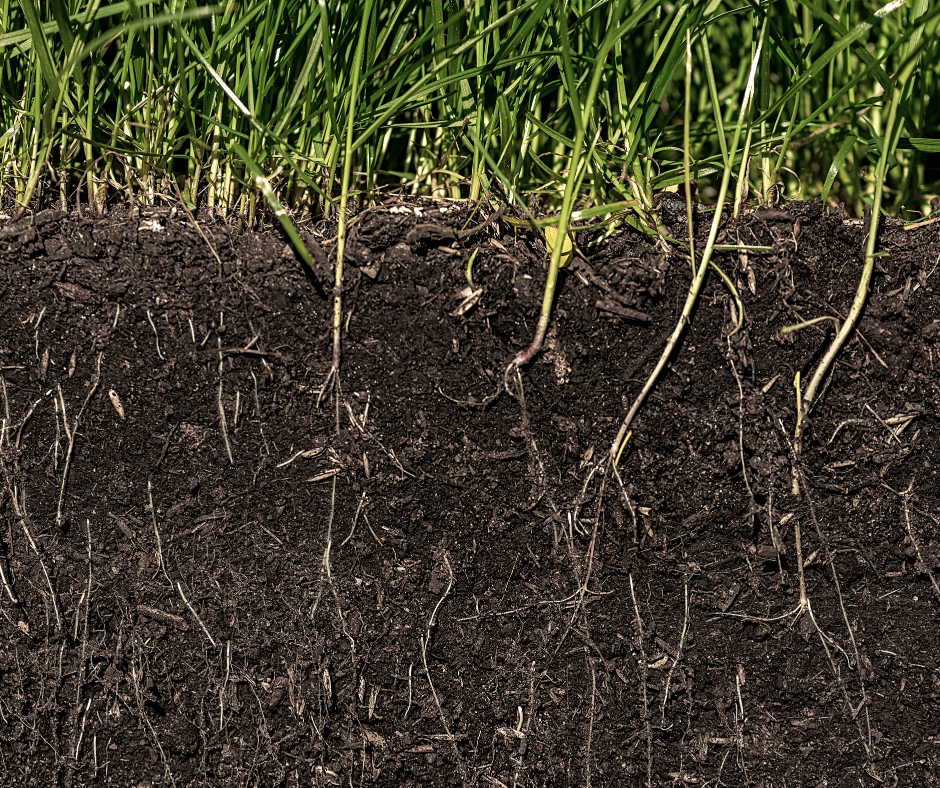

At its core, regenerative farming focuses on improving soil health over time.
Healthy soil leads to:
Healthier plants
Healthier animals
Healthier food
Stronger ecosystems
Instead of treating soil like an input that can be replaced with fertilizer, regenerative farmers treat soil like a living system.
If the soil is thriving, everything above it thrives too.
The Core Principles of Regenerative Farming
While every farm is different, regenerative systems often include:
Rotational Grazing
Animals are moved frequently between pasture sections. This:
Prevents overgrazing
Allows grass to recover
Stimulates deeper root growth
Improves nutrient cycling through manure
Minimal Soil Disturbance
Less tilling means:
Better soil structure
More microbial life
Reduced erosion
Increased carbon retention
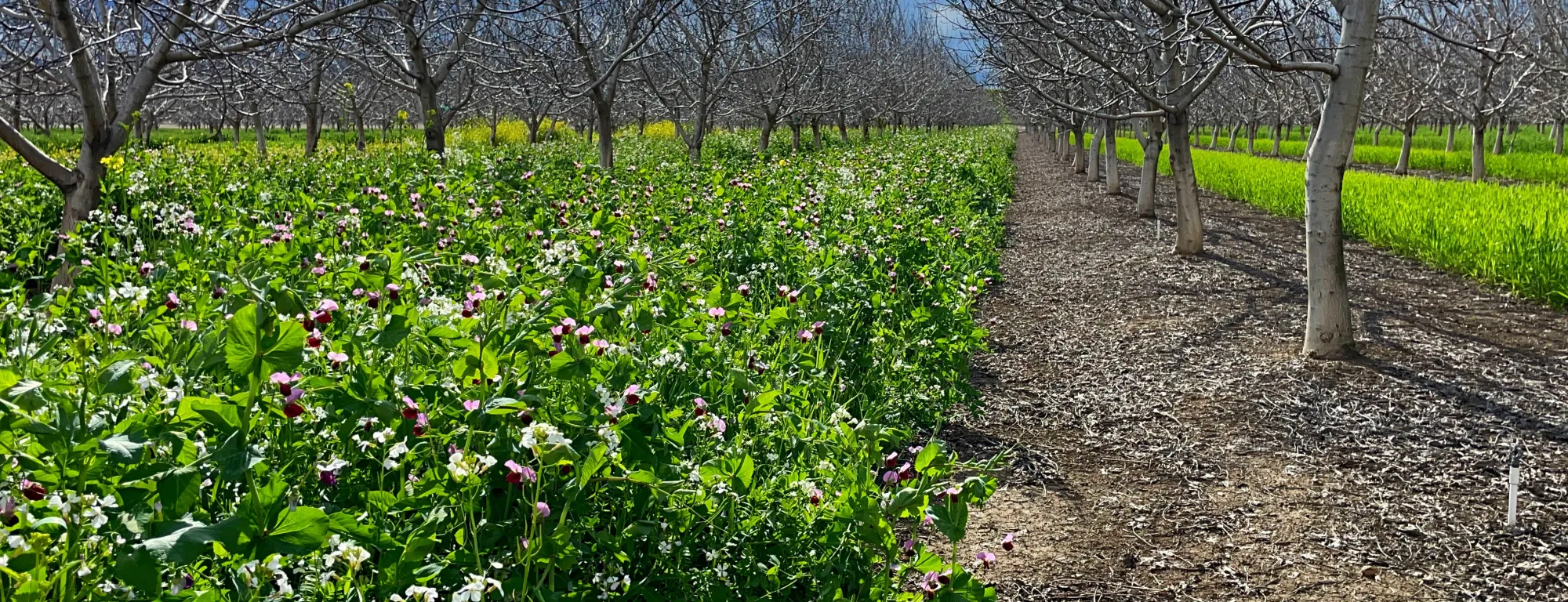
Diverse Plant Life
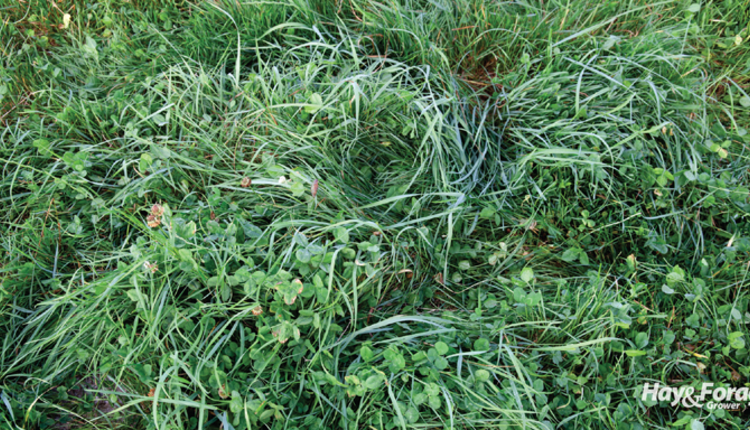
Instead of single crop systems, regenerative farms promote:
Mixed grasses
Cover crops
Biodiversity
Habitat for beneficial insects
Diversity above ground creates resilience below ground.
Why Soil Health Is So Important


Healthy soil is full of living organisms.
Billions of microbes exist in just one handful of healthy soil.
These microbes:
Break down organic matter
Make nutrients available to plants
Improve water retention
Increase drought resilience
When soil is depleted through over tilling, synthetic chemicals, or monocropping, it loses structure and life.
Regenerative farming works to rebuild that biology instead of masking damage with more inputs.
How Regenerative Farming Affects Meat and Produce Quality
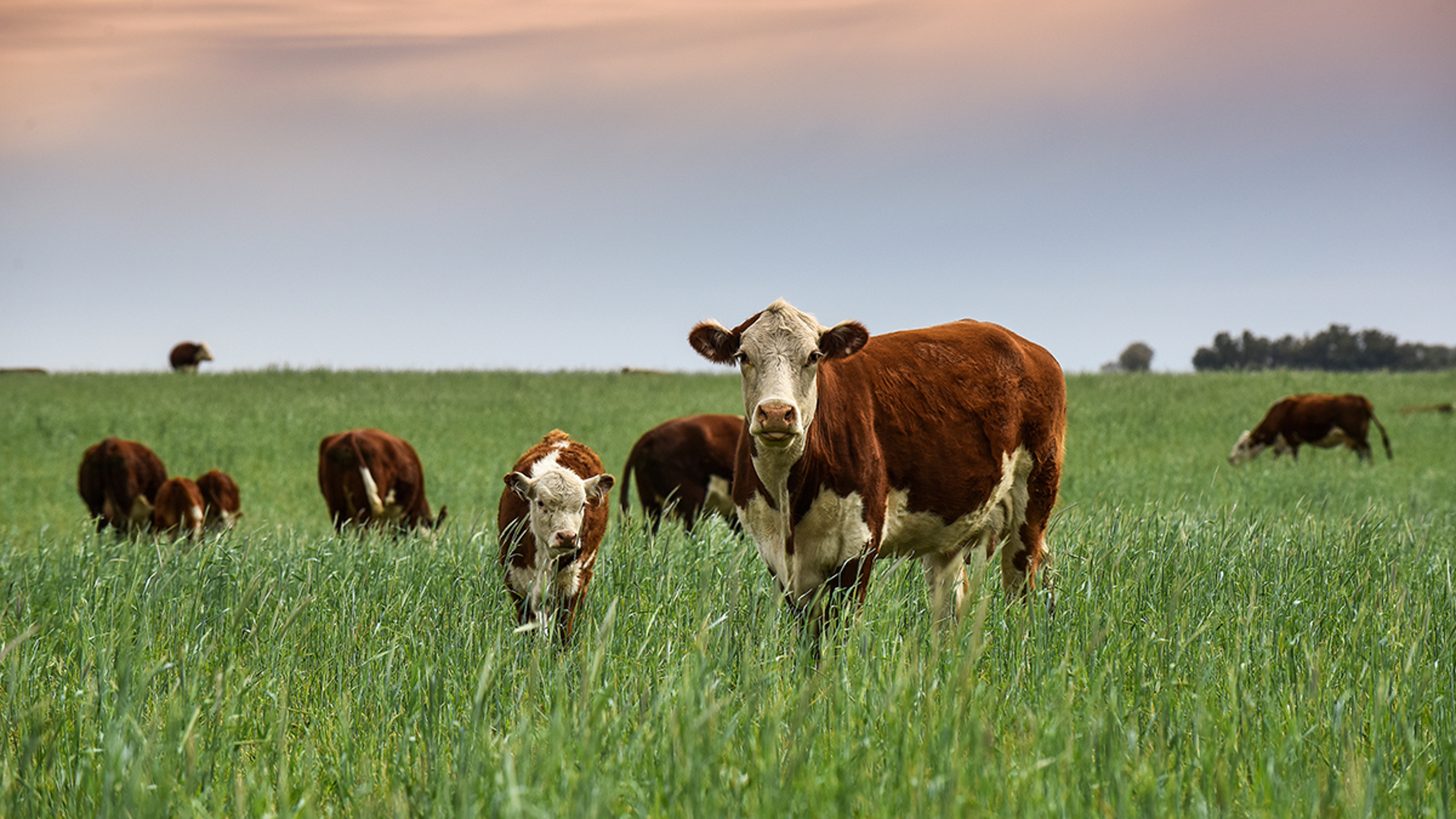

When animals graze on healthy, nutrient dense pasture, that nutrition carries through to the meat.
Regeneratively raised animals typically:
Eat diverse forage
Spend more time on pasture
Contribute to soil fertility
Experience lower stress environments
The result is often:
Richer flavor
Better fat composition
Improved nutrient density
More transparency in how food is produced
The same principle applies to vegetables grown in biologically active soil.
Healthy soil grows stronger plants.
Environmental Benefits


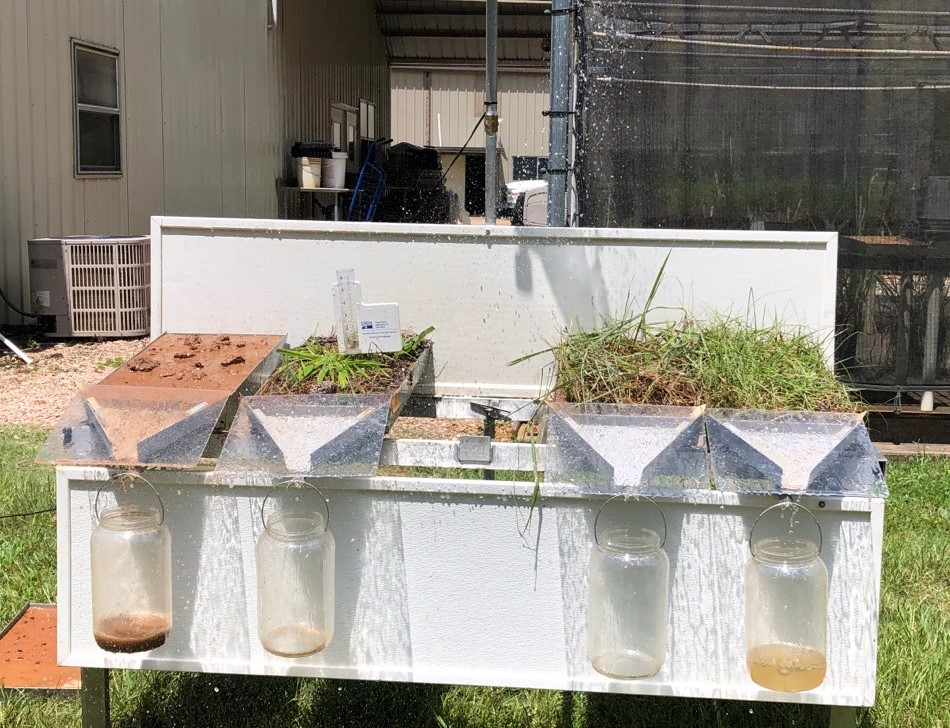
Regenerative farming can improve:
Water Retention
Healthy soil absorbs and holds water better, reducing runoff and erosion.
Carbon Sequestration
Plants pull carbon from the air through photosynthesis. Deep root systems help store that carbon in the soil.
Biodiversity
More plant diversity supports:
Pollinators
Birds
Beneficial insects
Wildlife habitat
Instead of extracting from the land year after year, regenerative farming aims to leave it better than it was.
How It Differs From Conventional Agriculture
Conventional large scale agriculture often relies on:
Heavy tillage
Synthetic fertilizers
Pesticides
Monocropping
Confined animal feeding systems
Regenerative farming focuses on:
Working with natural systems
Strengthening soil biology
Reducing external inputs
Building long term land resilience
It is not about perfection. It is about direction.
The goal is constant improvement, not just maintaining yields.
Why This Matters for Consumers
Most people buying food do not see the soil.
They see a steak or a bundle of carrots.
But everything starts underground.
Supporting regenerative farms:
Encourages soil restoration
Rewards long term land stewardship
Promotes animal welfare
Builds local food resilience
When farmers commit to regenerative practices, they are investing in the next generation of land, not just the next season’s harvest.
The Bigger Picture
Regenerative farming is not just about food quality.
It is about:
Land longevity
Environmental restoration
Rural community strength
Food system transparency
It shifts the question from
How much can we take this year
to
How much can we restore over time
And that mindset changes everything.
The Bottom Line
Regenerative farming rebuilds soil instead of depleting it.
It strengthens ecosystems instead of simplifying them.
It produces food in a way that considers long term impact.
After speaking with John Ross from Born and Grazed, it is clear that regenerative farming is not a marketing term on his farm. It is a management philosophy that guides daily decisions.
Healthy soil.
Healthy animals.
Healthy food.
It all starts from the ground up.