
Why Grocery Store Meat Is So Red and How It Differs From Farm Fresh Meat
Why Grocery Store Meat Is So Red and How It Differs From Farm Fresh Meat
If you have ever bought meat directly from a local farm and compared it to what you see at the grocery store, you probably noticed something immediately.
Grocery store meat is bright red and almost glowing.
Farm fresh meat is often darker, purplish, or even slightly brown at first.
Most people assume brighter red means fresher or better. In reality, the color difference has far more to do with processing and packaging methods than quality or freshness.
Let’s break down what is actually happening.
Why Meat Is Red in the First Place
The color of meat comes from a protein called myoglobin.
Myoglobin stores oxygen in muscle tissue.
Here is how color works naturally:
Low oxygen exposure: meat looks purplish or dark red
Moderate oxygen exposure: meat turns cherry red
Long exposure to oxygen: meat turns brown or gray
All three states are normal. None of them automatically mean the meat is spoiled.
How Grocery Stores Keep Meat Bright Red

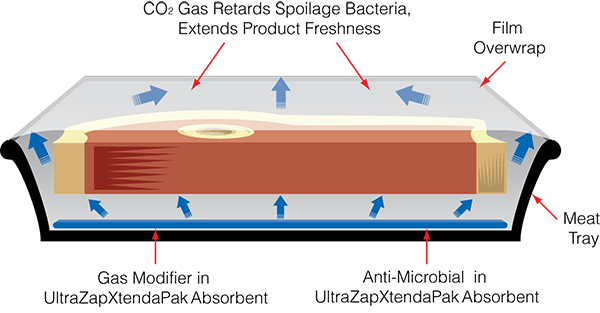
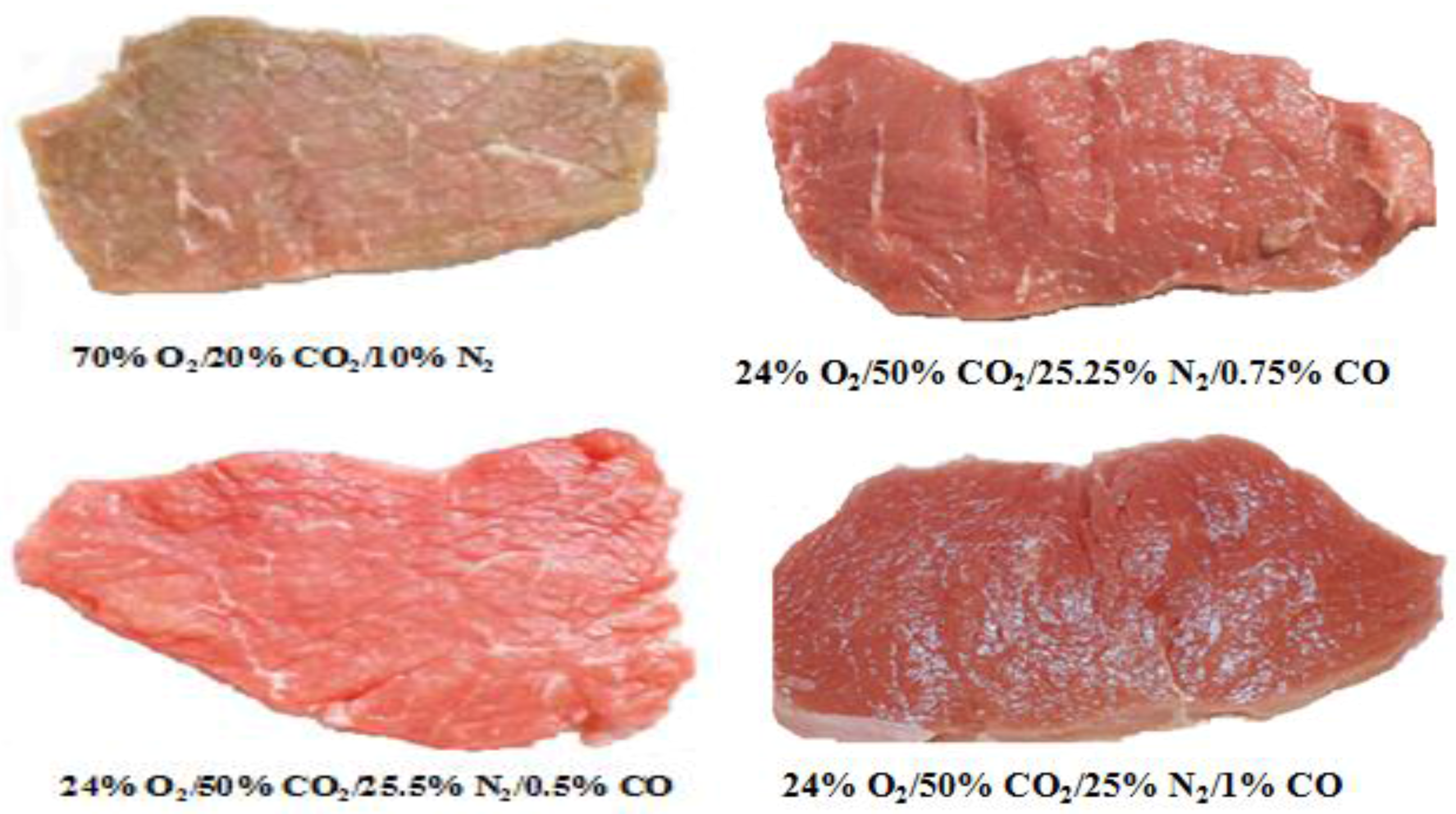
Most grocery store meat is packaged using Modified Atmosphere Packaging, often shortened to MAP.
This means the air inside the package is replaced with a carefully controlled gas mixture.
Common gases used in grocery store meat packaging
Oxygen to force a bright red color
Carbon dioxide to slow bacterial growth
Nitrogen as a filler gas
In some cases, carbon monoxide in extremely small amounts
The carbon monoxide factor
Carbon monoxide binds tightly to myoglobin and locks meat into a bright red color. This can make meat look fresh for much longer than it normally would.
Important to understand:
This does not mean the meat is fresher. It only means the color is preserved.
The meat can be weeks old and still appear bright red.
Why This Packaging Exists
Grocery stores rely heavily on visual appeal. Studies show that consumers overwhelmingly choose the reddest meat on the shelf, even when it is not the freshest.
Bright red meat:
Sells faster
Looks uniform
Reduces customer complaints
Extends shelf display time
This system is designed for scale and consistency, not transparency.
What Farm Fresh Meat Looks Like
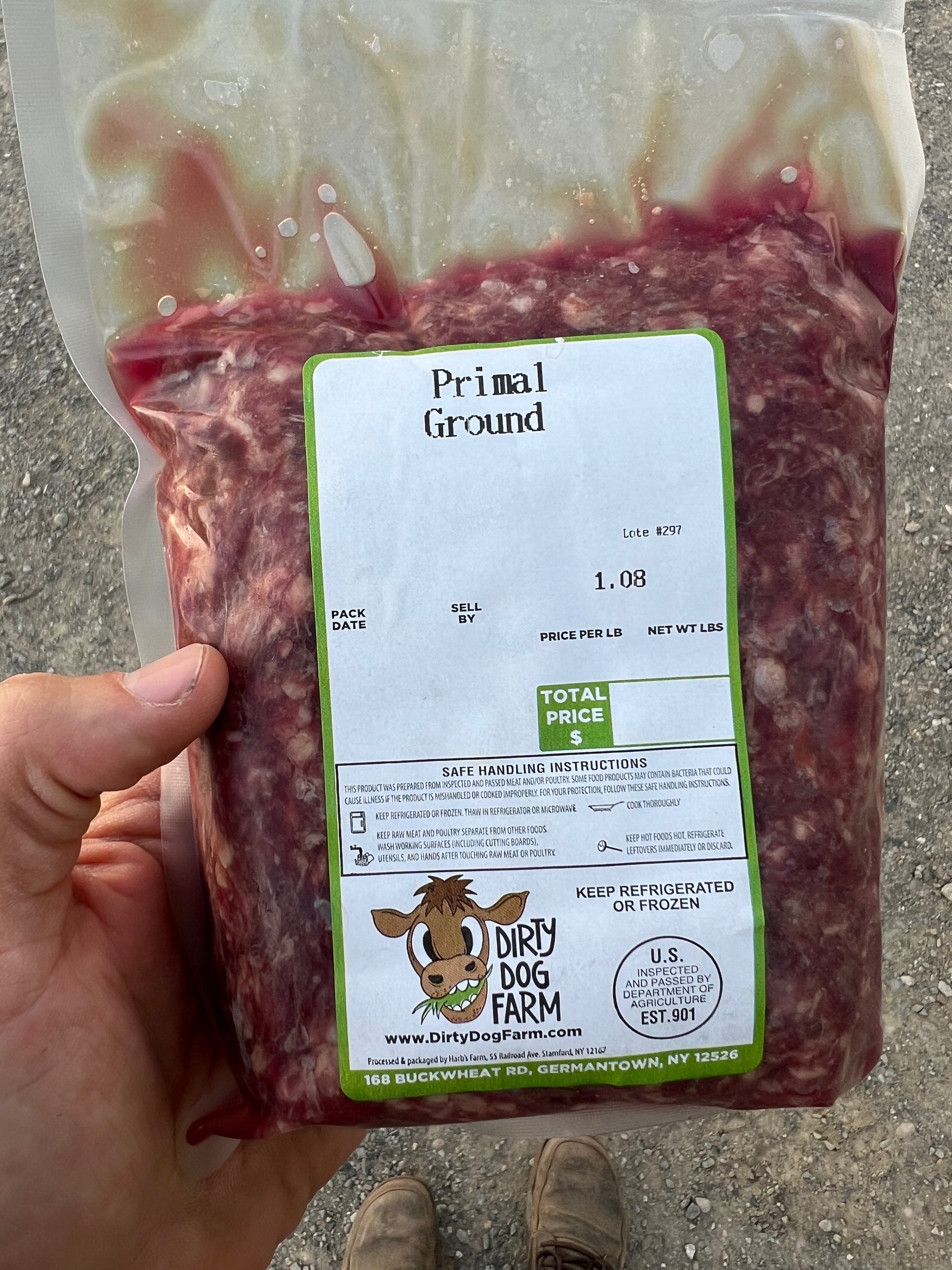

Meat purchased directly from a farm is usually packaged very differently.
Most farms use vacuum sealing, which removes oxygen instead of adding it.
Because there is little to no oxygen:
Meat often looks dark red or purple in the package
This color is completely normal
Once opened and exposed to air, it will usually bloom and turn red within 15 to 30 minutes
This is what meat looks like without color manipulation.
Why Farm Fresh Meat Can Look Less Red
Farm meat may look darker because:
No added oxygen or carbon monoxide
Shorter supply chain
Less time spent sitting on display
Often grass fed, which naturally produces darker meat
Grass fed animals typically have higher myoglobin levels, leading to deeper color compared to grain fed beef.
Color Does Not Equal Quality
One of the biggest myths in food is that bright red meat equals freshness.
In reality:
Bright red can be artificially maintained
Brown or darker meat can still be very fresh
Smell, texture, and sourcing matter more than color
Farm fresh meat may not win a beauty contest, but it often wins on:
Transparency
Nutrient density
Flavor
Knowing exactly where your food came from
Key Differences at a Glance


Grocery store meat:
Designed to look red as long as possible
Uses gas mixtures to control appearance
Longer supply chain
Optimized for mass distribution
Farm fresh meat:
Color reflects natural oxygen exposure
Minimal processing
Short supply chain
Prioritizes food quality over appearance
The Bottom Line
Bright red meat is not a guarantee of freshness.
Darker meat is not a sign of poor quality.
Understanding how meat is packaged helps you make better buying decisions and removes the fear when farm fresh meat does not look like what you see under grocery store lights.
Sometimes the most honest food does not look perfect.